
Spring is a time of renewal and fresh beginnings in the garden. After the cold winter months, your garden is ready to burst into life, but knowing exactly what to do and when to do it can make all the difference between a flourishing garden and a disappointing one. This comprehensive spring planting guide will walk you through everything you need to know to set your garden up for success this growing season.
When to Start Planting in Spring
The key to successful spring planting isn't about following a calendar date—it's about understanding your local conditions. Here's how to determine the right time to start planting:
- Know your last frost date - This is the average date of the last killing frost in your area and serves as a crucial guideline for when it's safe to plant tender plants outdoors.
- Check soil temperature - Many seeds won't germinate until the soil reaches a certain temperature. Use a soil thermometer to check if conditions are right.
- Assess soil moisture - Spring soils should be workable but not waterlogged. If soil sticks in a clump when squeezed, it's too wet for working.
Generally, hardy vegetables like peas, spinach, and radishes can be planted 4-6 weeks before your last frost date, while tender vegetables like tomatoes and peppers should wait until after all danger of frost has passed.
Preparing Your Garden Beds
Before a single seed goes into the ground, your garden beds need proper preparation:
- Clear debris - Remove dead plants, fallen leaves, and any other debris that accumulated over winter.
- Test and amend soil - Spring is the perfect time to test your soil pH and nutrient levels. Based on results, add lime to raise pH or sulfur to lower it, and incorporate organic matter like compost to improve soil structure.
- Loosen compacted soil - Use a garden fork or tiller to gently loosen soil to a depth of 8-12 inches, being careful not to disturb soil structure too much.
- Edge garden beds - Create clean lines between lawn and garden beds to prevent grass encroachment and make maintenance easier.
"The best time to plant a garden was 20 years ago. The second best time is now."
— Modified from a Chinese proverb
What to Plant in Spring
Spring offers a wide range of planting possibilities. Here's a guide to what thrives when planted in spring:
Early Spring (4-6 weeks before last frost)
- Vegetables: Peas, spinach, lettuce, kale, radishes, carrots, beets, turnips, onions
- Herbs: Parsley, cilantro, dill
- Flowers: Sweet peas, poppies, larkspur, snapdragons
Mid-Spring (2-4 weeks before last frost)
- Vegetables: Swiss chard, potatoes, broccoli, cabbage, Brussels sprouts
- Herbs: Thyme, sage, oregano
- Flowers: Cosmos, sunflowers, zinnias (seeds)
Late Spring (after last frost)
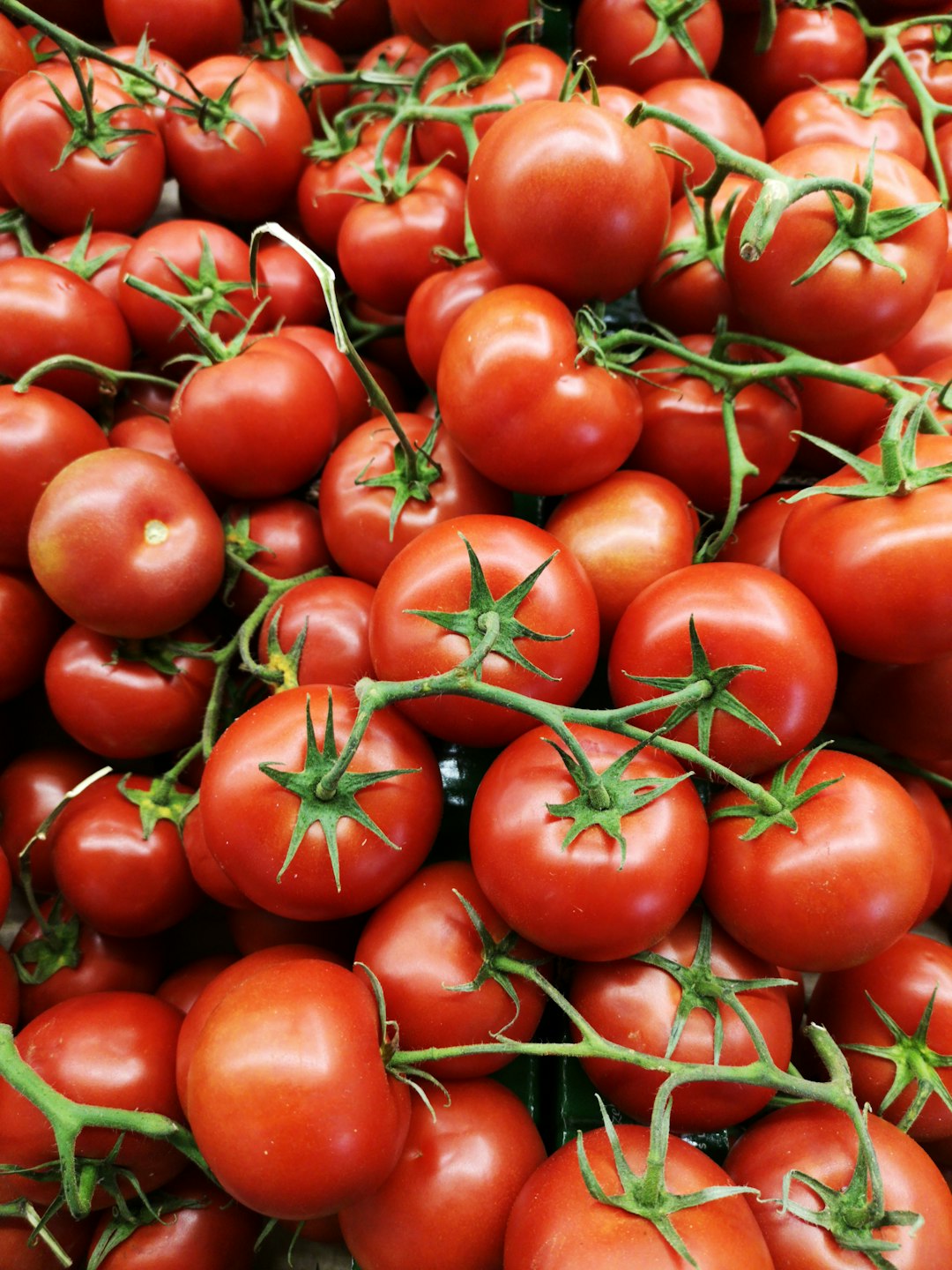
- Vegetables: Tomatoes, peppers, eggplant, cucumbers, squash, beans, corn
- Herbs: Basil, rosemary, lavender
- Flowers: Marigolds, petunias, impatiens, geraniums
Remember to consider companion planting strategies—certain plants benefit each other when grown together. For example, planting basil near tomatoes can improve tomato flavor and repel certain pests.
Spring Planting Tips for Success
Follow these practical tips to ensure your spring plants get off to the best possible start:
For Seeds:
- Plant at the correct depth—generally 2-3 times the diameter of the seed
- Keep soil consistently moist but not waterlogged until germination
- Consider using row covers for early plantings to provide extra warmth
- Thin seedlings according to packet instructions to prevent overcrowding
For Transplants:
- Harden off indoor-started plants by gradually exposing them to outdoor conditions over 7-10 days
- Plant on a cloudy day or in the evening to reduce transplant shock
- Water thoroughly after planting
- Apply organic mulch around (but not touching) plant stems
Be vigilant about emerging weeds during spring—removing them when they're small is much easier than battling established weeds later in the season.
Common Spring Planting Challenges
Even experienced gardeners face challenges during the spring planting season. Here's how to address some common issues:
Late Frosts
Be prepared with row covers, cloches, or even simple solutions like overturned buckets to protect tender plants if a late frost threatens. Keep an eye on weather forecasts throughout spring.
Pests
Spring brings beneficial insects but also garden pests. Implement preventive measures like floating row covers for vulnerable crops, and maintain garden cleanliness to reduce pest habitat.
Inconsistent Weather
Spring weather can fluctuate wildly. Be prepared to protect plants from heavy rain, hail, and temperature swings. A good layer of mulch can help moderate soil temperatures and moisture.
Remember that gardening is always part science, part art, and part luck. Don't be discouraged by setbacks—each challenge provides a learning opportunity that will make you a better gardener.
Final Thoughts
Spring planting sets the stage for the entire growing season. By understanding your local conditions, preparing your soil properly, selecting appropriate plants for each spring phase, and being vigilant about care, you'll create a garden that provides beauty, enjoyment, and perhaps even fresh produce for months to come.
What spring planting projects are you excited about this year? Share your plans and questions in the comments section below, and happy gardening!